

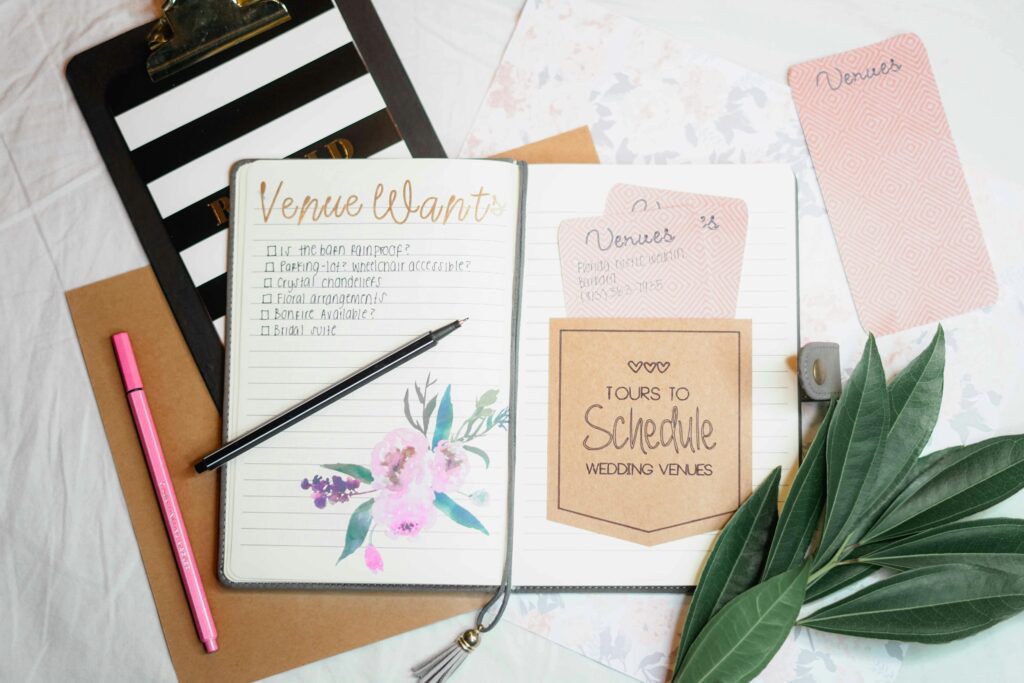
You have probably spent the last week looking at a master checklist with eighty different tasks, feeling like you need to hire everyone at the exact same moment. It is a common point of friction where couples realize that booking a florist feels more fun, but booking a caterer is more urgent.
The real problem isn’t a lack of options; it is the fear of losing your favorite professional because you spent too much time debating the color of the napkins. This article helps you prioritize your outreach so you secure the “foundation” vendors before the calendar fills up.
This approach works because it follows the logical flow of how a wedding day is actually built. Once the big pieces are locked in, the smaller details naturally fall into place.
The Big Three: Venue, Date, and Planner
Nothing truly exists until you have a venue contract and a deposit on the books. You might have a “dream date” in mind, but if your top-tier venue is booked every Saturday in October, that date has to change or the venue does. This is where most budgets quietly break because couples often underestimate how much the venue choice dictates every other cost, from rentals to transport.
If you are planning to hire a full-service wedding planner, they actually come before the venue. A seasoned planner can look at a venue contract and spot the hidden costs, like a mandatory valet service or a lack of a catering kitchen, before you sign away a third of your budget. If you are only doing “month-of” coordination, you can wait, but for high-level guidance, the planner is your very first call.
The Foundation Phase
- The Planner: For those wanting professional management from day one.
- The Venue: This sets your date and your maximum guest count.
- The Caterer: If your venue doesn’t provide food, this is your next massive expense and logistical hurdle.
Securing Your Visual Legacy
Once you have a date and a place, the race for the photographer begins. Unlike a catering company that can handle three weddings in a single weekend with different teams, a specific photographer is a single human being. If they are booked for your date, they are gone.
The same logic applies to high-end videographers. These professionals often see their calendars fill up 12 to 18 months in advance for popular Saturdays. When choosing, look at their full galleries, not just the highlights on social media, to ensure they can handle the specific lighting of your chosen venue.
Priority Booking Order
| Vendor Category | When to Book | Why it’s a Priority |
| Venue | 12-18 Months | Fixes the date and location. |
| Planner | 12-18 Months | Manages the budget and vendor search. |
| Photographer | 10-14 Months | Individual talent books up fast. |
| Videographer | 10-14 Months | Similar scarcity to photographers. |
| Catering | 10-12 Months | Major budget item; affects floor plans. |
| Band/DJ | 9-12 Months | The best entertainers are in high demand. |
The Design and Guest Experience Layer
With the date and the “big” vendors secured, you move into the phase that defines the look and feel of the day. This is when you hire your florist and your entertainment. While a florist can often handle multiple events in a weekend, their labor and premium bloom sources are limited.
If you want a specific 10-piece soul band, you need to move quickly. If you are happy with a great DJ, you have a little more breathing room, but the elite names in the industry still disappear early. This is also the time to start thinking about your wedding block at local hotels. If there is a local festival or a college football game on your weekend, hotel rooms will vanish faster than your invitations can reach the mail.
Handling the Middle Tier
About eight to ten months out, you should focus on the vendors who provide specific services that require less “day-of” setup but are still vital. This includes your hair and makeup artists and the person officiating your ceremony.
If you are not using a religious official associated with a house of worship, professional celebrants can book up quite early. For hair and makeup, keep in mind that these artists often require a minimum number of services to travel to your location. If you have a small bridal party, you might need to look for a local salon instead of an on-site team.
Mid-Range Planning Decisions
- Floral Design: Secure the vision and the labor.
- Officiant: Ensure the legal and emotional heart of the day is covered.
- Hotel Blocks: Secure rooms before the general public snags them.
- Stationery: You need to get save-the-dates out by the six-month mark.
The Final Details and Logistics
As you get within six months of the wedding, you start filling in the logistical gaps. This includes transportation for the wedding party and guests, the cake designer, and any additional rentals like specialty linens or lounge furniture.
Many couples forget about transportation until the end, only to realize the local limo companies are fully booked for prom season or other weddings. If your ceremony and reception are in different spots, this needs to be a priority.
Late-Stage Bookings
- Transportation: Shuttles, getaway cars, and bridal party vans.
- Cake/Dessert: Most bakeries can accommodate more volume than other vendors.
- Rentals: Photo booths, extra lighting, and specialty furniture.
- Attire: While you buy the dress early, the alterations usually happen closer to the date.
Realistic Booking Timeline Example
This scenario assumes a 12-month planning window for a Saturday wedding with 120 guests.
Month 12: * Tour three venues.
- Sign contract for the venue and pay the deposit.
- Determine the total budget (e.g., $45,000).
Month 11:
- Interview and hire the photographer ($4,500 – $6,500 range).
- Research and book the caterer if not included with the venue.
Month 10:
- Book the band or DJ.
- Finalize the guest list for the save-the-dates.
Month 8:
- Meet with florists to discuss color palettes and installations.
- Book the hair and makeup trial.
Month 6:
- Order invitations and book the cake designer.
- Arrange transportation for guests between the hotel and venue.
Common Mistakes to Avoid
One of the biggest errors I see is booking a florist before you have a caterer. You might fall in love with a $5,000 floral installation, only to realize later that the catering costs are $2,000 higher than you expected because you forgot to factor in the cost of service staff and rentals.
Another frequent slip-up is waiting too long to book “niche” vendors. If you specifically want a live painter, a vintage gelato cart, or a specific bluegrass trio for cocktail hour, those should be treated like “Big Three” vendors. There are fewer of them in any given market, so they disappear fast.
Quick decisions to make now:
- Do you need a full planner or just a coordinator?
- Is the date flexible if your dream venue is booked?
- Which one vendor is your non-negotiable must-have?
The “I’m Overwhelmed” Fallback Plan
If you feel paralyzed by the number of choices, stop looking at everything else and just do these three things this week. First, confirm your total budget with anyone who is contributing. Second, pick a geographic area. Third, book three venue tours. Do not look at dresses, do not look at flowers, and do not worry about the guest favors. Once the venue is booked, the date is set, and the rest of the timeline will dictate itself.
Essential Booking Checklist
This list is designed to be checked off in order to ensure your budget and your sanity remain intact.
- Finalize total wedding budget.
- Draft a preliminary guest list (to know venue capacity).
- Secure Wedding Planner (if using full service).
- Sign Venue Contract.
- Hire Caterer (if not through venue).
- Hire Photographer.
- Hire Videographer.
- Book Band or DJ.
- Hire Florist/Designer.
- Book Hotel Blocks.
- Secure Officiant.
- Book Hair and Makeup Artist.
- Order Wedding Stationery.
- Book Transportation.
- Order Cake and Desserts.
A quick note on real-life planning
Every wedding is a unique ecosystem, and your specific location might change these priorities. In a small destination town, photographers might be easier to find than hotel rooms. This framework is a proven starting point, but always listen to your local vendors if they mention that a particular service in your area is in high demand. Use these steps as your guardrails, but stay flexible as the pieces come together.
