
Wedding Planning 101
Wedding planning can feel like a hundred decisions happening at once.
This hub is the simple, realistic starting point.
It walks through what to do first, what to book next, and how to stay calm while things come together.
Use the checklist below, then jump into the guides based on where you are right now.
Start Here Checklist
If planning feels messy, start here.
These are the steps that prevent the biggest mistakes later, even if the wedding is still far away.
- Choose your rough guest count range. Even a ballpark number helps everything else.
- Pick your wedding month or season, then list 2–3 backup dates you would still love.
- Decide your top 3 priorities. Food, photos, location, vibe, music, comfort, whatever matters most.
- Set a first-draft budget and a comfort limit. One number is the target, one is the ceiling.
- Start venue research with your guest range and season in mind.
- Collect 10–15 inspiration photos, then summarize the vibe in 5 words.
- Draft a short vendor list by importance. Venue, photographer, planner, DJ, florist, etc.
- Create a shared planning doc for quotes, contacts, and deadlines.
- Set one weekly planning block. Even 30 minutes makes progress feel steady.
Planning tip: A rough plan today beats a perfect plan next month.
Pick Your Path
Start with the section that matches your current stage. No pressure to read everything in order.
Just Engaged
Start with the month-by-month checklist so you know what matters first and what can wait.
Booking vendors
Book in the right order so you don’t lock yourself into expensive mistakes or limited availability.
Final months
Pull your wedding plans into a calm, realistic day-of schedule with built-in buffer time.
Tools That Make Planning Easier
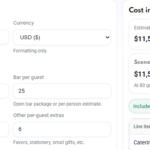
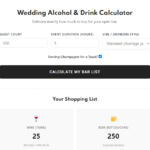
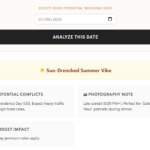
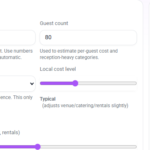
Use these calculators when you need real numbers, not guesswork.
Core Planning Guides
These are the guides most couples end up needing. Clear steps. Realistic advice. No fluff.
The Wedding Planning Checklist by Month (12 Months to Wedding Day)
A month-by-month checklist that tells you what matters when, so you never feel behind. Includes the booking order, key deadlines, and what can wait.
Wedding Planning Timeline for Short Engagements (6 Months or Less)
A realistic timeline for planning fast without panic. Focuses on the decisions that move the needle and the shortcuts that do not ruin the day.
How to Choose Your Wedding Date (Season, Budget, Venue, and Travel)
A practical way to pick a date that works for pricing and logistics, not just the calendar. Covers season tradeoffs, travel concerns, and hidden high-demand weekends.
Building Your Wedding Vendor Booking Order (What to Book First & Why)
The smartest order to book vendors so you do not lock yourself into expensive mistakes. Includes what to prioritize based on your venue type and wedding style.
Wedding Ceremony Order of Events (Simple Step-by-Step Guide)
A clear ceremony flow that feels smooth and intentional. Includes common variations and where to add those personal touches without causing confusion.
Wedding Reception Timeline Guide (Grand Entrance to Last Dance)
A reception timeline that keeps dinner, speeches, and dancing flowing naturally. Helps you avoid awkward gaps and late-night schedule drift.
How to Build a Stress-Free Wedding Day Schedule (With Real Examples)
A realistic day-of schedule with built-in breathing room. Includes example timelines so you can copy what works and adjust for your ceremony time.
Wedding Guest List Strategy (Decide Who to Invite Without Regrets)
A guest list method that keeps decisions fair and avoids second-guessing later. Includes simple “must-have” rules, plus how to handle family pressure.
Wedding Invitation Timeline (Save-the-Dates, Invites, RSVPs & More)
A clear invitation timeline so you send everything at the right time and actually get RSVPs back. Includes follow-up wording and deadline planning.
Wedding Planning 101 FAQ
What should be booked first?
Usually the venue comes first because it locks your date and your guest capacity. After that, the priority is typically planner, photographer, and entertainment depending on your area.
When should the budget be finalized?
A first-draft budget should be set early, even if it changes. Once the venue is chosen and guest range is clearer, the budget becomes much more accurate.
How far in advance should invitations go out?
Many couples send invitations 8–12 weeks before the wedding, with RSVPs due about 3–4 weeks before. Destination weddings often need more time.
What’s the easiest way to reduce stress while planning a wedding?
Keep one planning list, one budget plan, and one weekly planning block. Too many documents and random notes create chaos fast.
Do I need a full planning binder?
Not necessarily. A single spreadsheet or doc that tracks vendors, payments, and deadlines usually does the job.